 Bhutan Visa FAQs
Your Gateway to Bhutan
+(975) 17656466
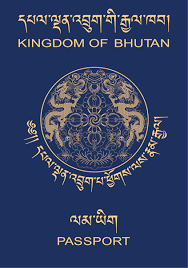
Yes, all foreign visitors (except nationals from India, Bangladesh, and the Maldives) require a visa to enter Bhutan. Visa approval must be obtained through a licensed Bhutanese tour operator or travel agent.
Visa applications are submitted online through your travel agent. You will need to provide passport details, travel dates, and pay the visa fee. Once approved, a visa clearance letter is issued, which you must present upon arrival in Bhutan.
Visa processing usually takes 3–5 business days after submitting your documents and payment through a licensed Bhutanese tour operator. During peak seasons, processing might take a few extra days, so early application is recommended.
A Bhutan visa is generally valid for the duration of your booked tour. It is issued as a single-entry visa, so you must enter and exit Bhutan within the approved period. Extensions can be requested in exceptional cases through your tour operator.
Yes, you need a valid passport (with at least 6 months validity), passport-sized photos, and a completed visa application form. Additionally, your tour operator may require proof of payment for the travel package and itinerary details.
+(975) 17656466
While Bhutan does not require specific vaccinations, it is recommended to be up-to-date on routine vaccines such as Tetanus, Hepatitis A, and Typhoid. Consult your doctor before travel for personalized advice.
Yes, medical care is available in major towns like Thimphu and Paro, including hospitals and clinics. However, facilities in remote areas may be limited, so carry basic medications and a first aid kit.
Yes, travel insurance is highly recommended. It should cover medical emergencies, evacuation, and trip cancellations to ensure safety and peace of mind while traveling in Bhutan.
Bhutan has high-altitude regions, so travelers may experience mild altitude sickness. It’s important to stay hydrated, ascend gradually, and follow your guide’s advice for acclimatization.
Basic medications for common illnesses like cold, fever, and stomach upset are available in pharmacies in major towns. It’s advisable to carry any prescription medicines you regularly take.
+(975) 17656466
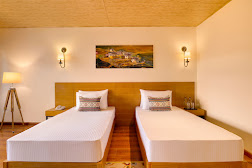
Bhutan offers a range of accommodations including luxury resorts, boutique hotels, heritage lodges, and budget guesthouses. Your travel agent can help choose the best option based on your preferences and budget.
Yes, most hotels cater to families, offering spacious rooms, family suites, and child-friendly amenities. Some resorts also provide recreational activities for children.
While some hotels accept direct bookings, most travelers book through licensed Bhutanese tour operators. This ensures compliance with visa requirements and allows for a seamless travel experience.
Yes, most hotels offer modern amenities such as Wi-Fi, hot water, comfortable bedding, and en-suite bathrooms. Luxury resorts provide additional facilities like spas, gyms, and fine dining.
Many hotels include breakfast in the room rate. Depending on the hotel, lunch and dinner can be arranged, especially in resorts or guided tour packages where meals are planned as part of the itinerary.
+(975) 17656466
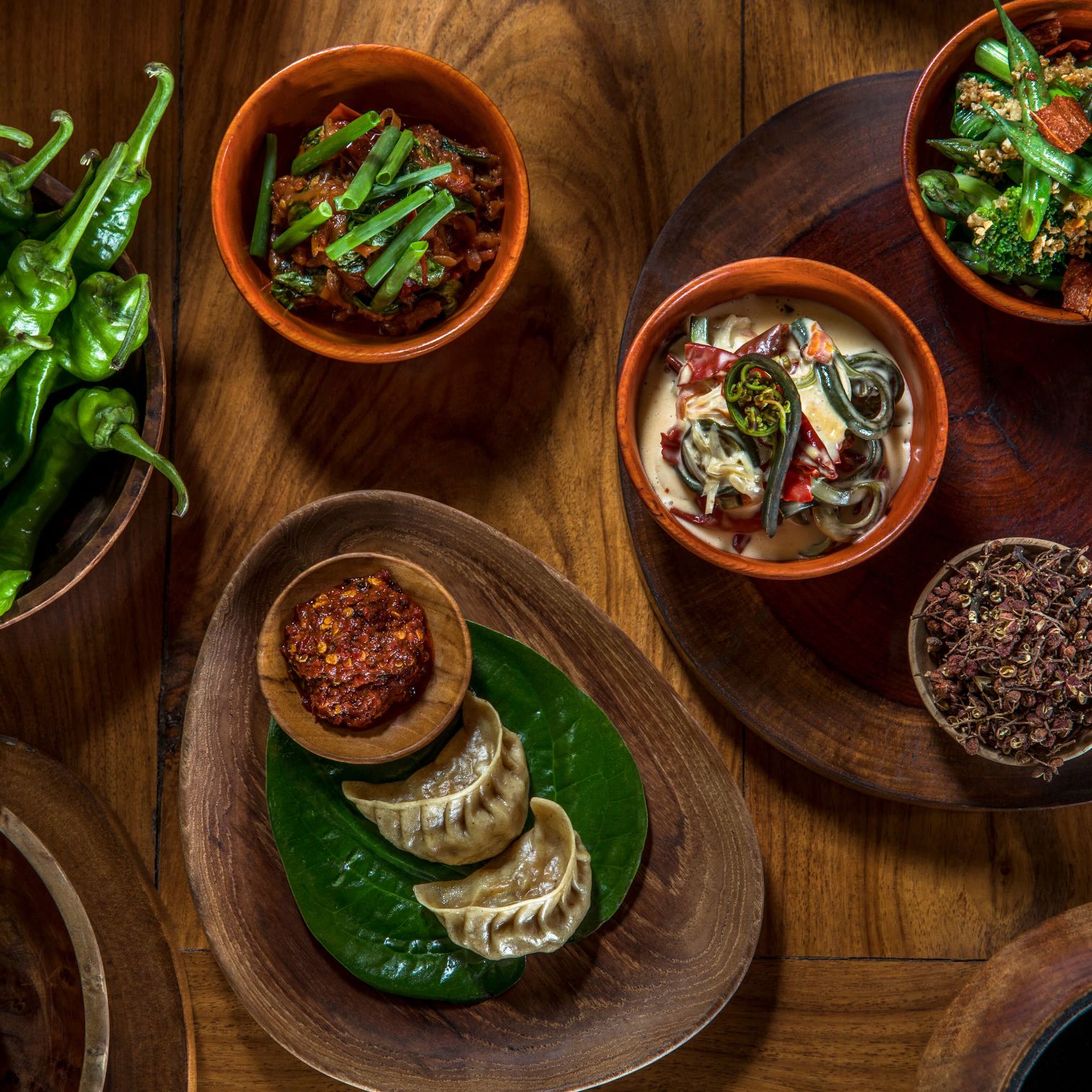
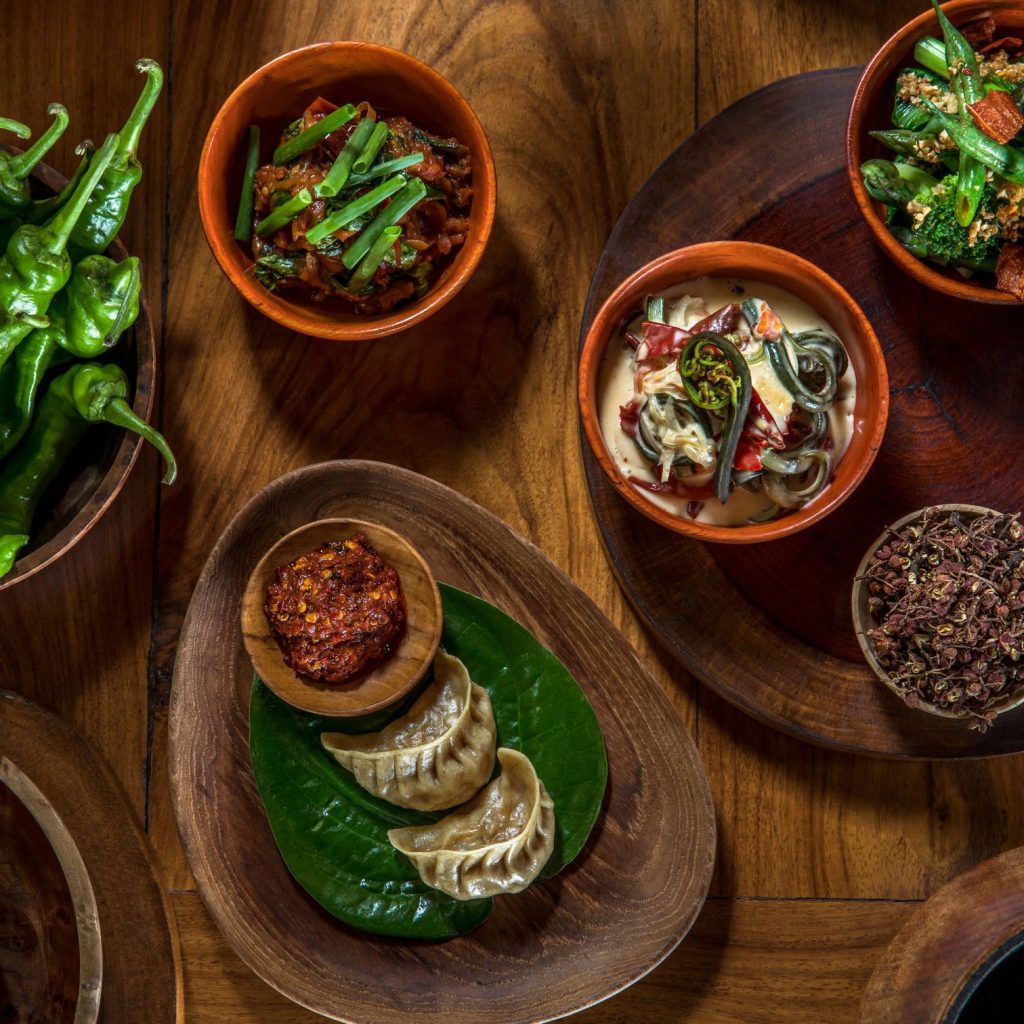
Some must-try dishes include Ema Datshi (chili cheese stew), Phaksha Paa (pork with red chili), Jasha Maru (spicy chicken stew), and Red Rice, which is a staple in Bhutanese meals.</p>
Yes, Bhutan offers plenty of vegetarian options. Dishes like Ema Datshi without meat, buckwheat noodles, and various vegetable curries are widely available in restaurants and hotels.
Bhutanese cuisine is known for being quite spicy, especially with chili-based dishes. If you prefer mild food, you can request less spice when ordering at restaurants or through your tour package meals.
Yes, in major towns like Thimphu and Paro, you can find international cuisine including Italian, Indian, Chinese, and continental options at hotels and restaurants.
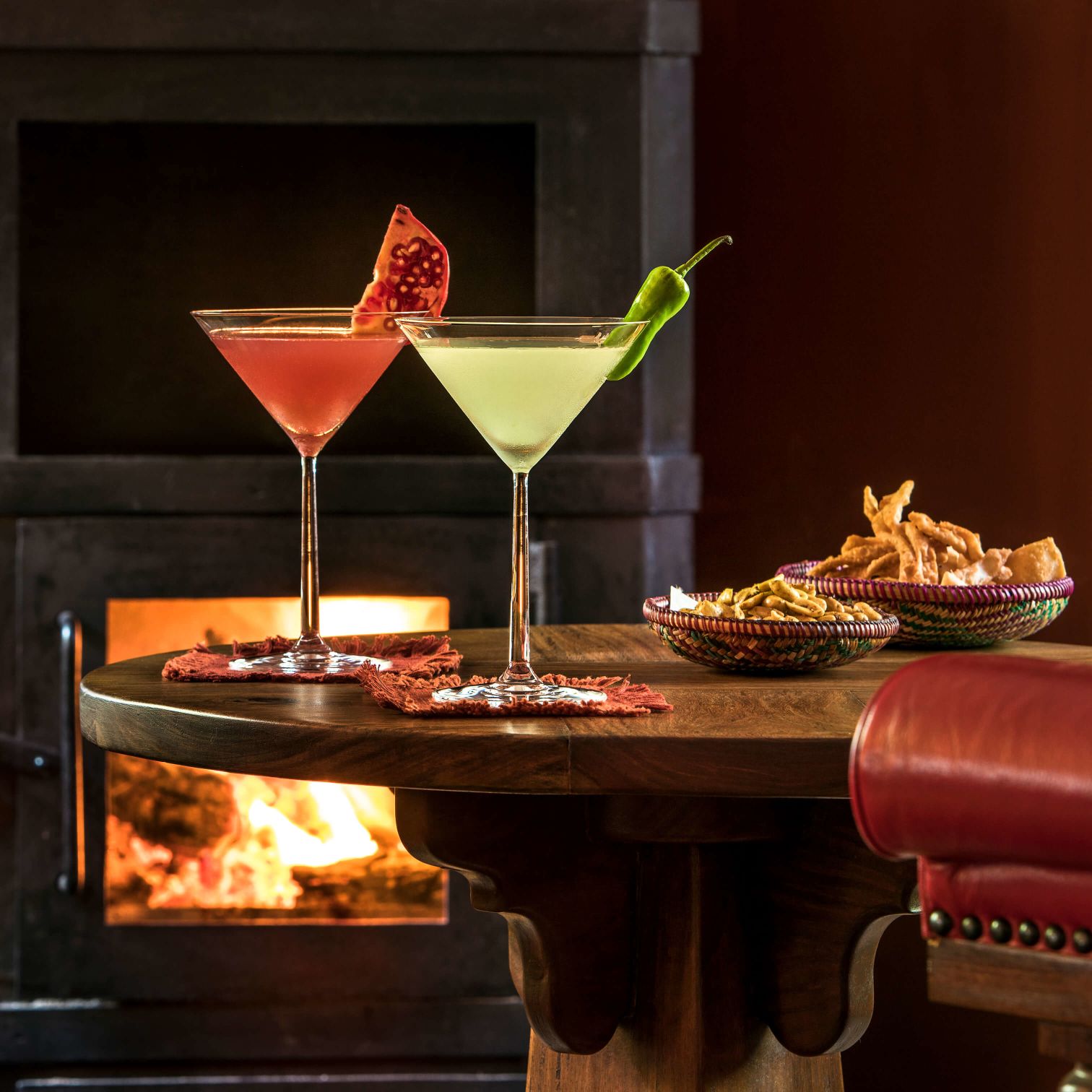
Yes, traditional drinks include Ara (rice wine), Suja (butter tea), and local fruit juices. Butter tea is especially popular and a must-try experience when visiting Bhutan.
+(975) 17656466
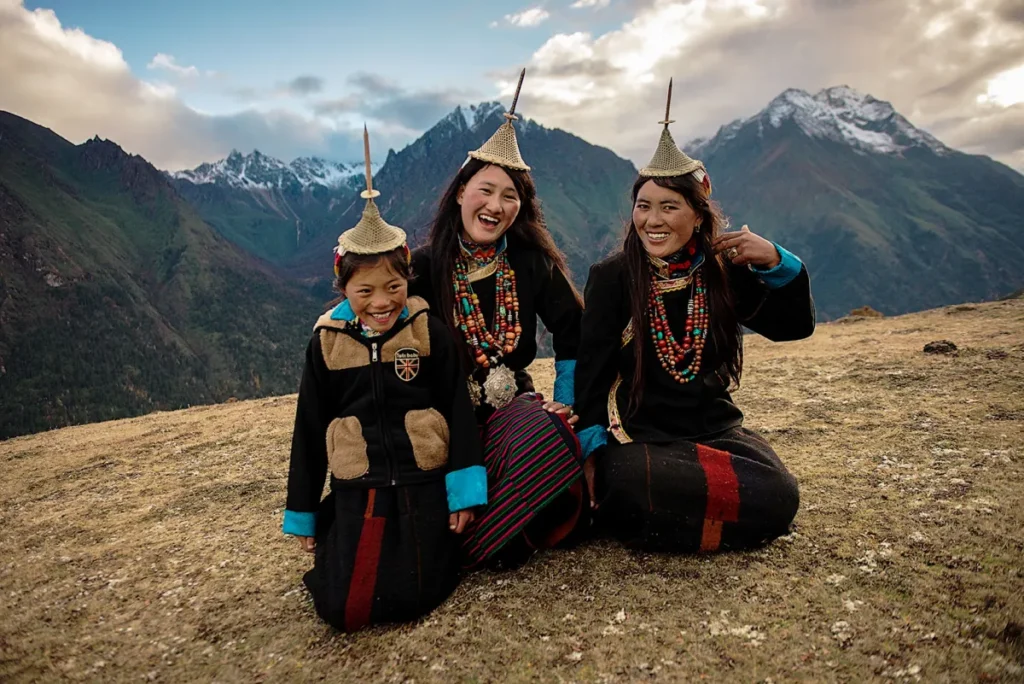
The traditional dress in Bhutan is the Gho for men and the Kira for women. These garments are worn daily, especially in official settings, temples, and cultural events.
Tourists are not required to wear traditional dress. However, wearing modest and respectful clothing is recommended, especially when visiting dzongs, monasteries, or during cultural festivals.
Comfortable and modest clothing is ideal. Lightweight layers, long pants or skirts, and long-sleeved tops are recommended. Weather can vary, so bring a jacket or sweater for higher altitudes.
Yes, visitors should dress modestly when entering temples and monasteries. Shoulders and knees should be covered, and hats or caps should be removed as a sign of respect.
Yes, traditional Bhutanese clothing, including Gho and Kira, can be purchased at local markets, handicraft shops, and stores in Thimphu and Paro. They also make excellent souvenirs.
+(975) 17656466
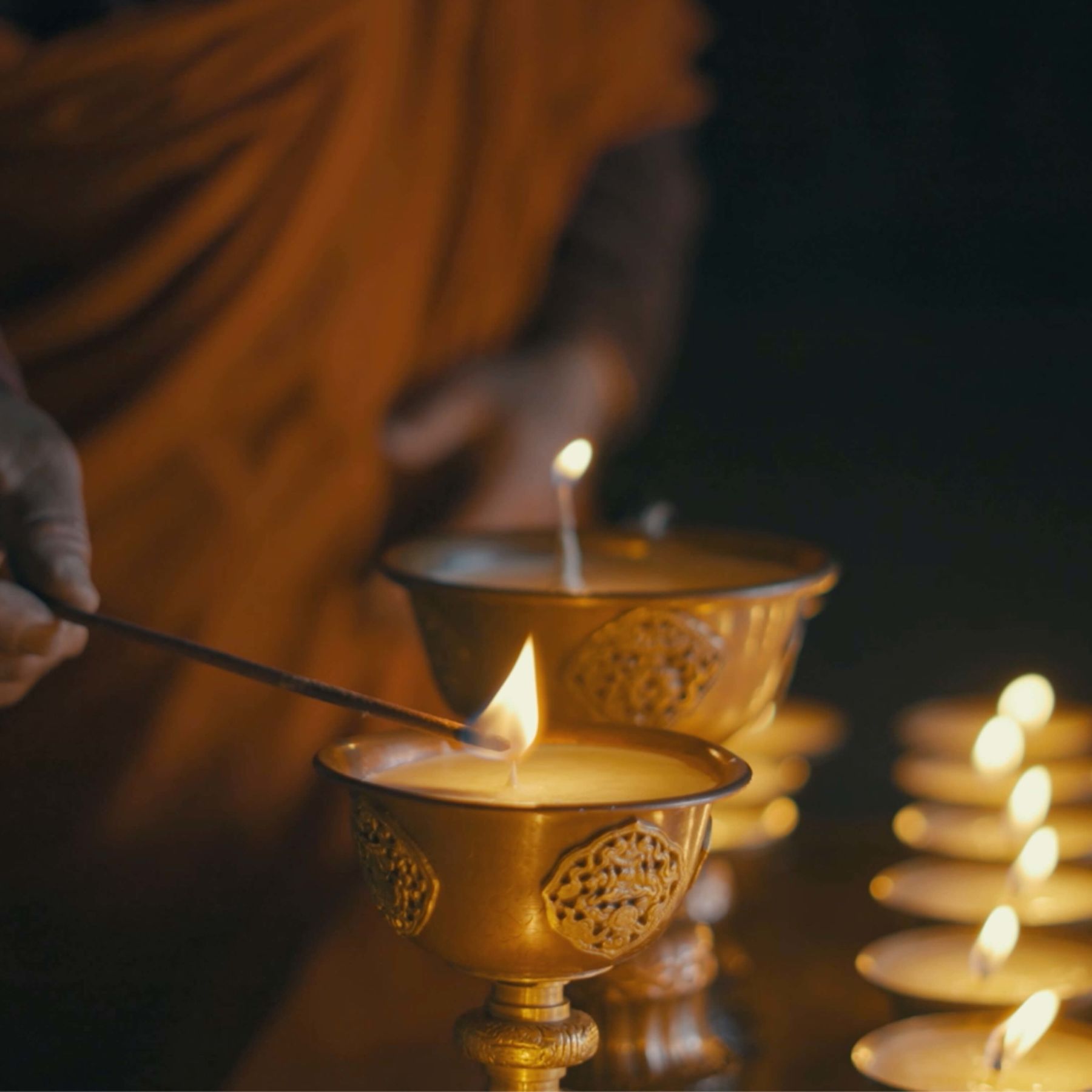
The main religion in Bhutan is Vajrayana Buddhism, which influences the country's culture, traditions, festivals, and daily life.
Yes, Bhutan has many sacred sites including dzongs, monasteries, and temples such as Paro Taktsang, Punakha Dzong, and Bumthang monasteries that are open to visitors.
Absolutely! Tourists can attend traditional religious festivals, called Tshechus, where they can witness masked dances, rituals, and community celebrations while respecting local customs.
Visitors should dress modestly, remove shoes before entering temples, and maintain silence. Photography may be restricted in certain areas, so it’s best to follow local guidance.
While Vajrayana Buddhism is dominant, Bhutan also has small communities practicing Hinduism and other religions, especially in southern regions near the Indian border.
Bhutan Visa FAQs
 Health Queries
Accommodation Queries
Health Queries
Accommodation Queries
 Bhutanese Food FAQs
Dress Code Queries
Bhutanese Food FAQs
Dress Code Queries
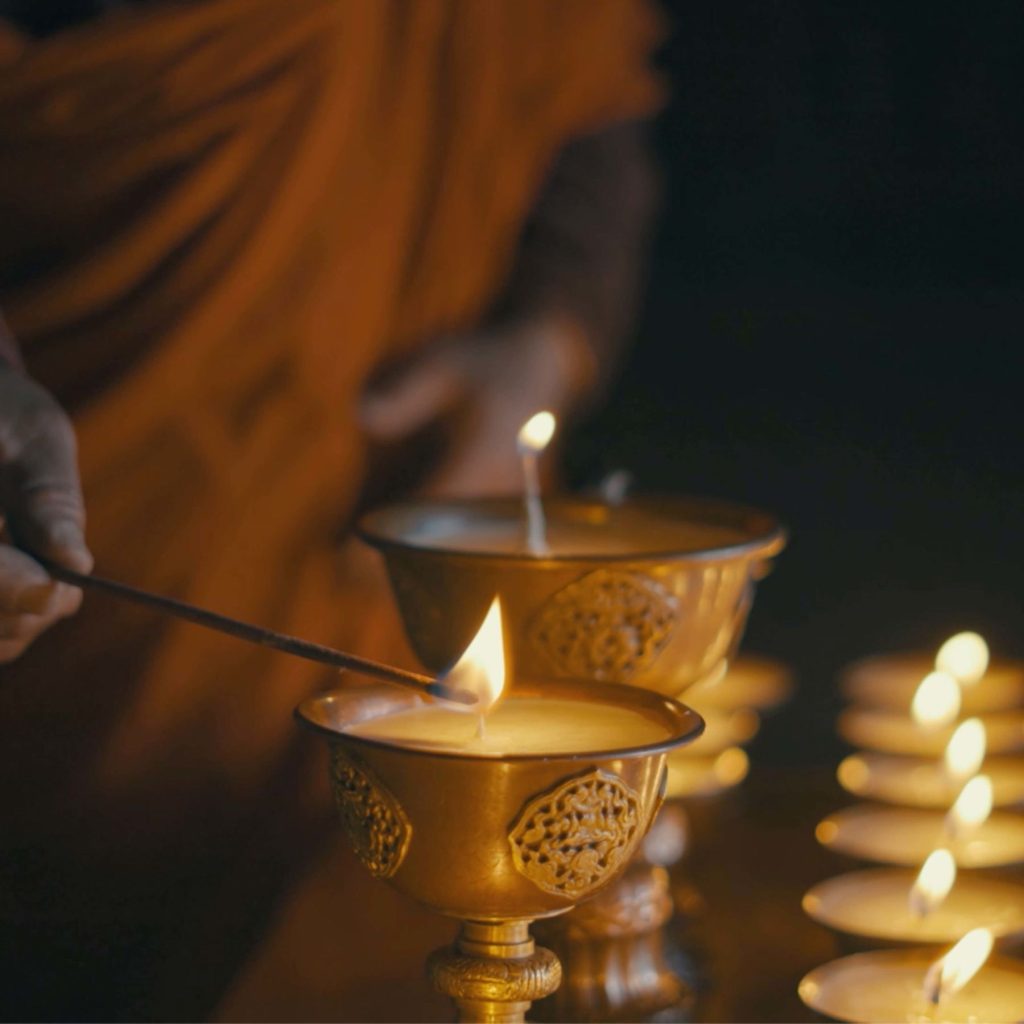 Bhutanese Religion FAQs